
A city with seven centuries of trading history, preserved in stone and water.
The Hanse was one of the most powerful economic alliances Europe has ever known. From the twelfth century, North German trading cities joined together to protect their commercial interests. What began as an informal cooperation between cities like Lübeck and Hamburg grew into a network that at its peak comprised more than two hundred cities — from London and Bruges in the west to Riga and Novgorod in the east.
The strength of the Hanse lay not in armies or princes, but in commerce, mutual agreements and a shared legal system. Hanseatic cities granted each other trading privileges, reduced tolls and protected each other's ships. Whoever had the Hanse on their side had access to the greatest trade routes in Europe.
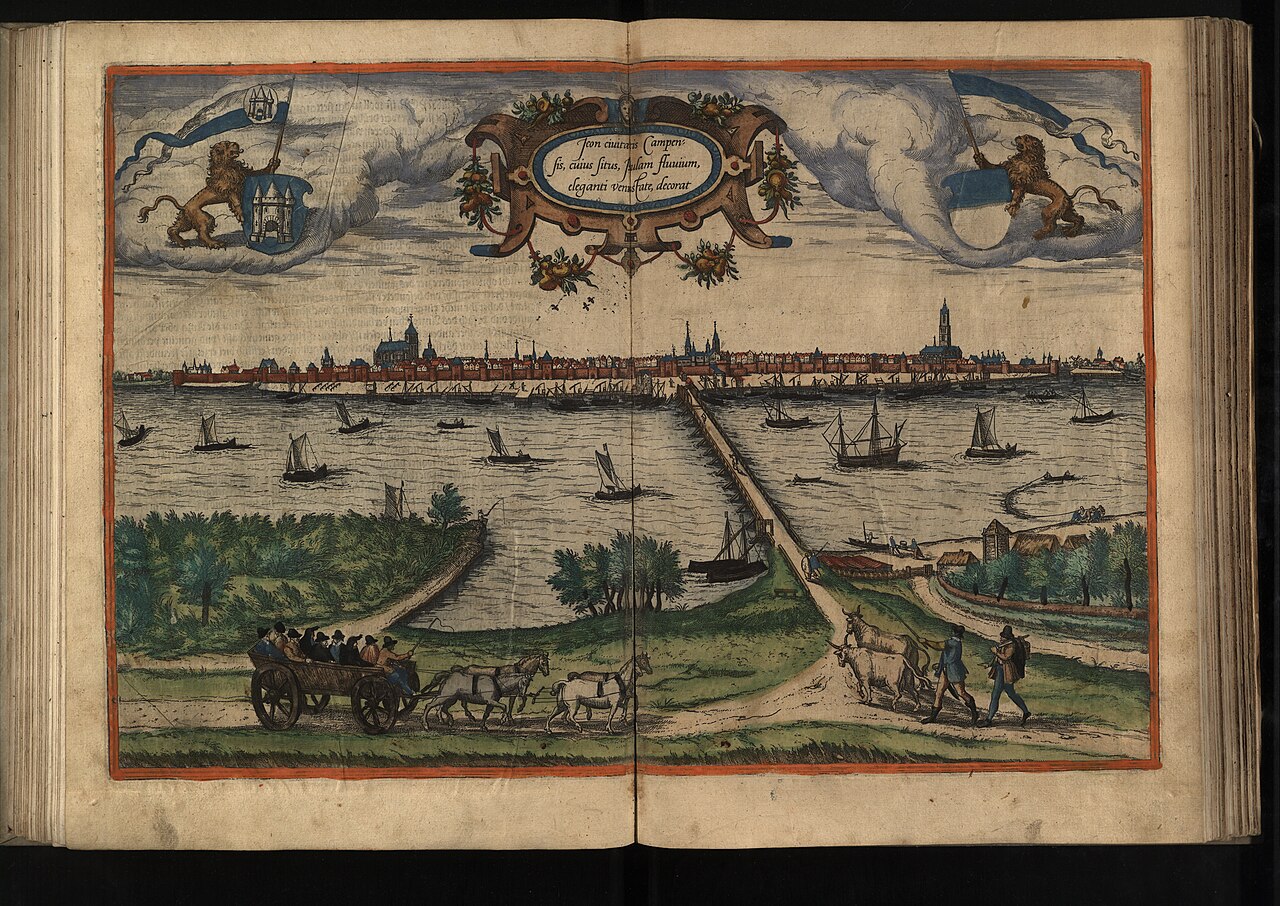
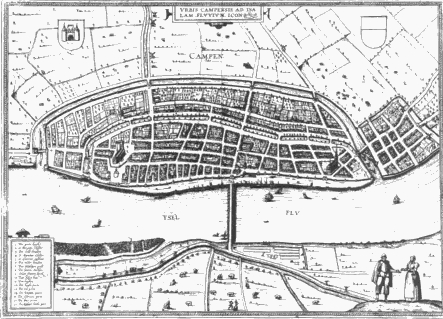
Kampen owed its position as a Hanseatic city almost entirely to geography. The IJssel — a tributary of the Rhine — formed the natural connection between the Rhineland in the south and the Zuiderzee in the north. Whoever controlled the IJssel, controlled access to the rich hinterland of Germany and to the open sea.
Kampen lay precisely at that junction. River trade from the south — grain, wine, metals — changed ships here. Sea vessels took on the cargo and sailed through the estuary at Kampen into the Zuiderzee, towards the Baltic ports of Lübeck, Danzig and Riga. In the other direction, goods such as timber, furs, amber and herring from the north flowed into the city.
The Zuiderzee was in the Middle Ages a busy inland sea — a trading highway in the middle of Europe. Kampen was the key to that sea from the south. This gave the city a position of power that few other cities in the Low Countries could match.
At its peak, in the fourteenth and fifteenth centuries, Kampen was among the richest cities in the Netherlands. The city had tens of thousands of inhabitants — an impressive number for that time. Wealthy merchants built stately warehouses along the quay, churches rose above the rooftops, and the town hall developed into one of the finest Gothic buildings in the north of the Netherlands.
Kampen had its own fleet of sea ships, its own coinage and its own representatives at the Hanseatic assemblies in Lübeck. The city exported cloth from its own drapers' hall, fished in the Zuiderzee, and supplied shipbuilders who worked throughout the Hanseatic area. The name Kampen stood for quality and reliability.
Together with Deventer and Zwolle, Kampen formed the so-called IJssel cities — a triangle of prosperous trading cities that jointly controlled access to the IJssel, and thus played an important role within the Hanse.
The wealth was not eternal. In the course of the sixteenth century the trading balance shifted. Amsterdam grew rapidly and took over Kampen's role as a transit port. The damming of the Zuiderzee, new trade routes via the Atlantic Ocean and the rise of Holland as a maritime power gradually pushed Kampen to the margins of the European trading world.
But it is precisely that decline that has given Kampen its special character. Because the city never had the means to rebuild or modernise on a large scale, the medieval structure remained largely intact. Narrow streets, Gothic façades, city gates and warehouses that were demolished elsewhere long ago — in Kampen they are still standing.
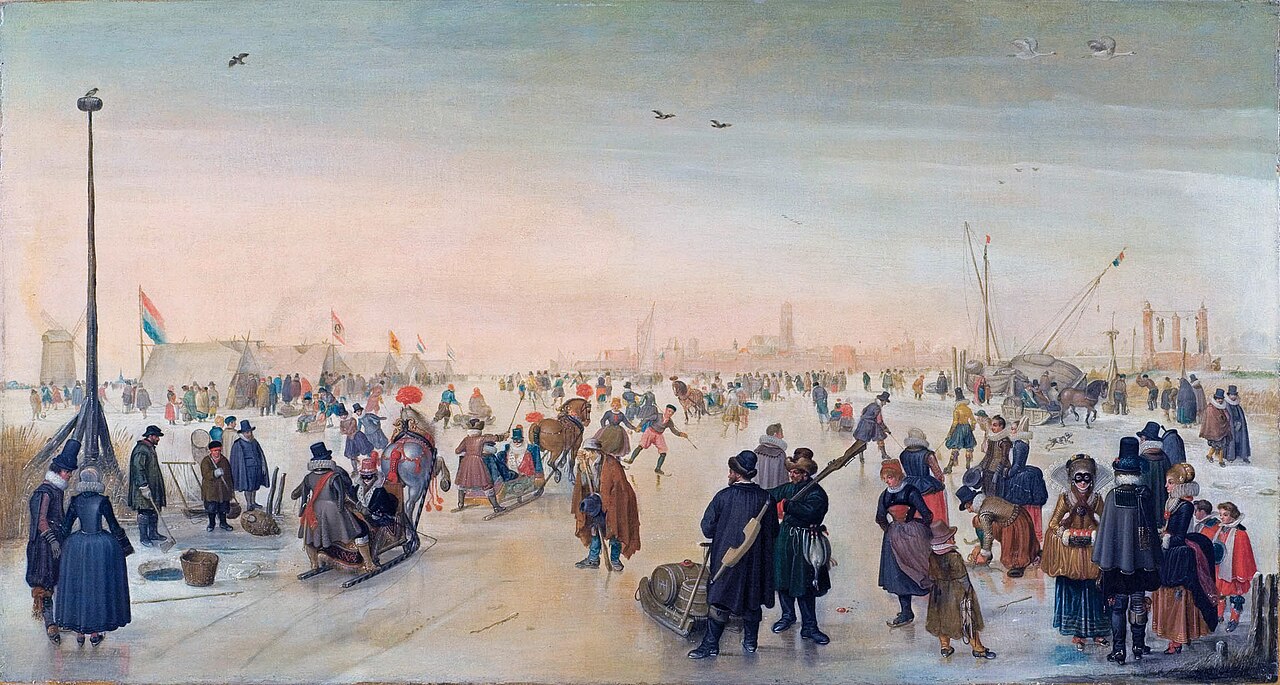
The IJsselkade was in the Middle Ages one of the busiest trading harbours in the Low Countries. Day and night ships moored along the quay — river barges full of grain from the Baltic states, cogs laden with cloth from Flanders, barrels of wine from France and stacks of timber from the forests of Scandinavia. The quay was the beating heart of the city.
The ships that moored here were cogs — wide, robust trading vessels characteristic of the Hanse. Kampen had its own shipyard and supplied cogs to merchants throughout the Hanseatic area. The Kampen cog was renowned for its quality. It is therefore no coincidence that the guest room of our B&B is named after this ship.
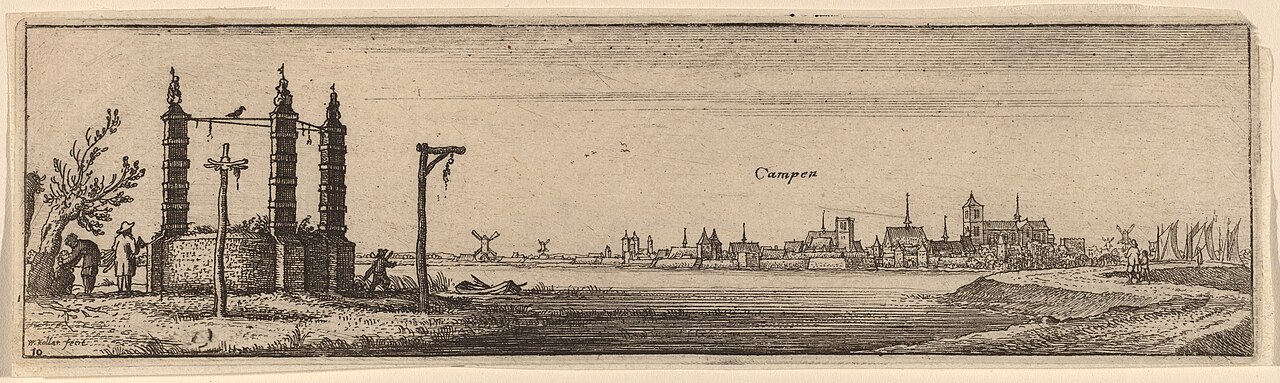
Along the quay, dozens of warehouses arose in the fourteenth and fifteenth centuries, where goods were stored awaiting transport. The warehouses were built in brick — a sign of wealth and permanence. Many of those warehouses still stand today. Whoever walks along the IJsselkade today sees the same façades that once radiated the wealth of Kampen's merchants.
Behind the warehouses lay the city: a dense network of streets, markets and guild houses. The drapers' hall, where Kampen cloth was inspected and traded, was one of the most important buildings in the city. The merchants who conducted their business here spoke Middle Dutch, Middle Low German and Latin — the trading languages of the Hanse.
The toll that ships had to pay when passing Kampen was an important source of income for the city. Every boat that anchored along the quay paid its contribution to the city coffers. Those revenues financed the churches, the city gates and the town hall that still dominates the city skyline.
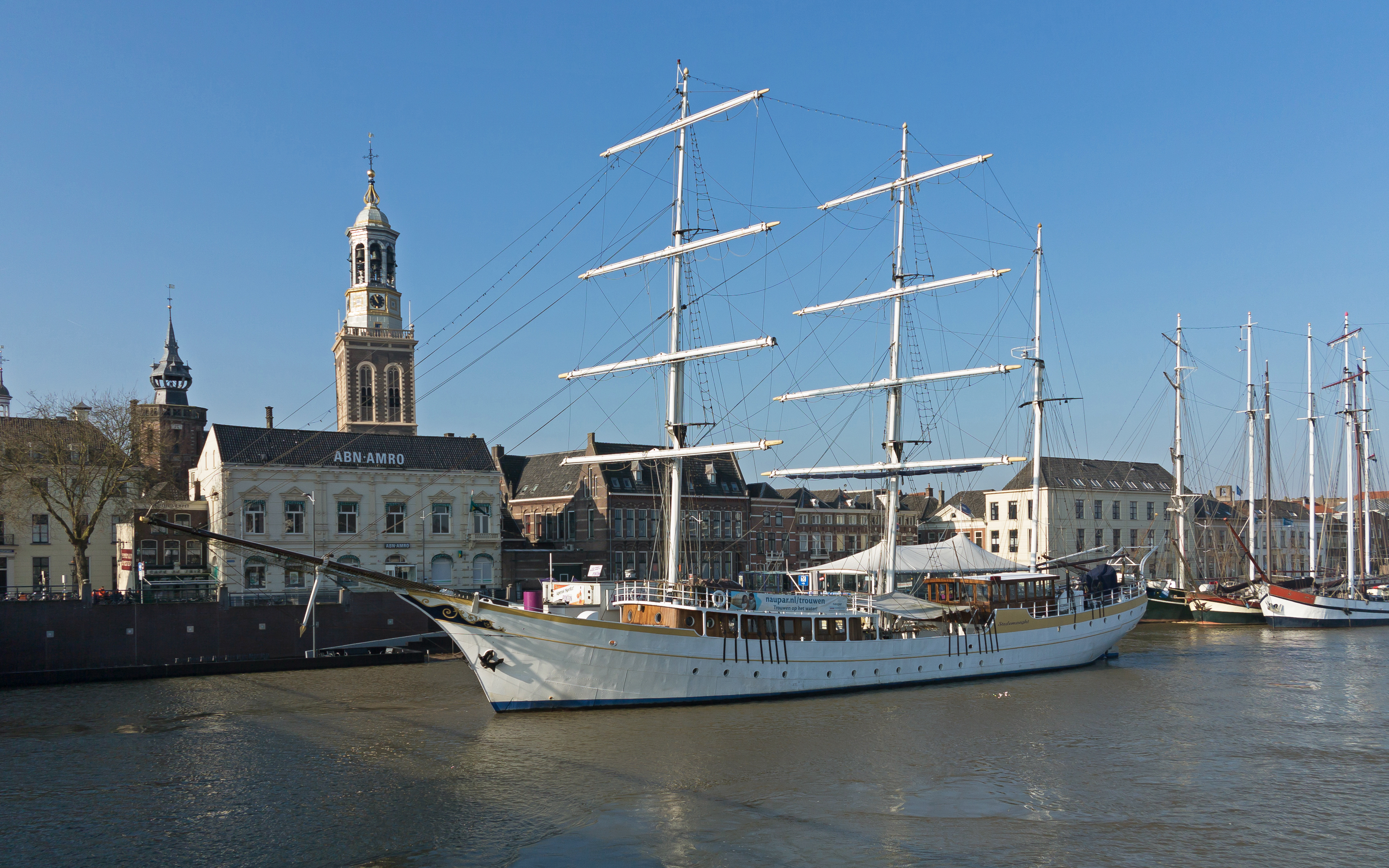
The bustle of the medieval harbour is gone, but the atmosphere has remained. The IJsselkade is today a peaceful promenade where pedestrians and cyclists take the place of the merchants of old. The historic warehouses now house apartments, restaurants and small businesses.
B&B 't Hanzehuys stands on that same IJsselkade — at the address IJsselkade 57a. From your room you look out over the water that once brought all those ships. The view has changed, but the river still flows. And when you watch the ships glide past on the IJssel in the evening, you can easily imagine what it must have looked like here once — full of life, full of trade, full of history.
The historic city centre is within walking distance of our B&B. Step outside and step into history.
Things to do in Kampen Book your stay