
Eight centuries of history, preserved in stone, canvas and tobacco.
As a former Hanseatic city, Kampen has a rich cultural history — and that is very much in evidence in its museums. From medieval courtrooms and icons from the Orthodox East to an authentic urban farm in the heart of the city: Kampen continually surprises.
All museums are within walking distance of B&B 't Hanzehuys. Step outside, turn left into the city centre, and the discovery begins.
The Stedelijk Museum is housed in the former town hall on the Oudestraat — one of the finest historic buildings in the city, constructed in the late Middle Ages at the height of the Hanseatic trade. The building itself already tells a story.
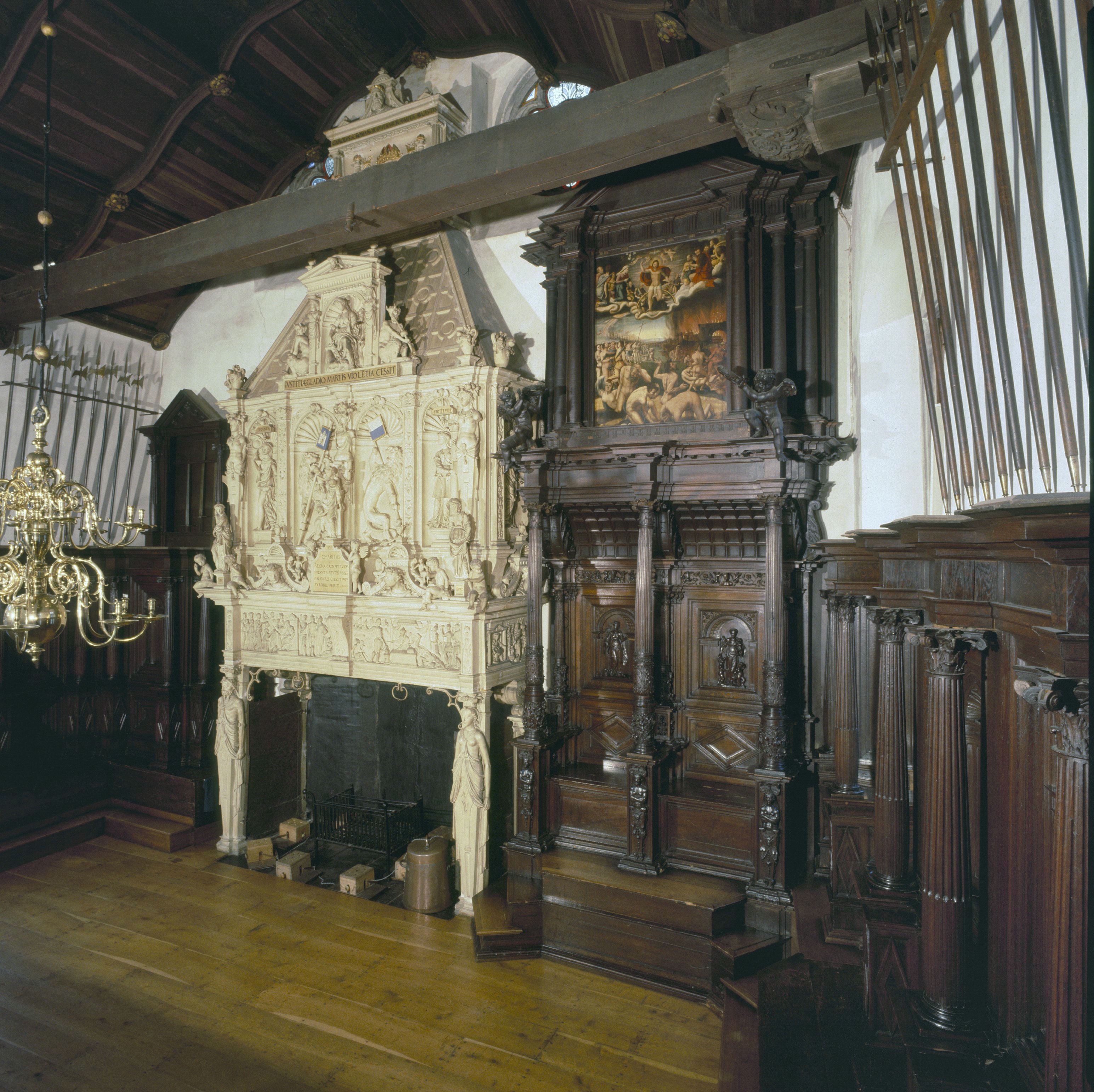
An absolute highlight is the Schepenzaal (Aldermen's Chamber): a fully intact medieval courtroom from the sixteenth century, with impressive woodcarving on walls and ceiling. Nowhere else in the Netherlands is such a medieval court so perfectly preserved.
The museum also displays paintings, silverware, sculptures, maps and everyday objects that tell the rich story of Kampen as a Hanseatic city. In addition to the permanent collection there are changing exhibitions of contemporary art.
📍 Oudestraat 133, Kampen | Open Tue–Sun
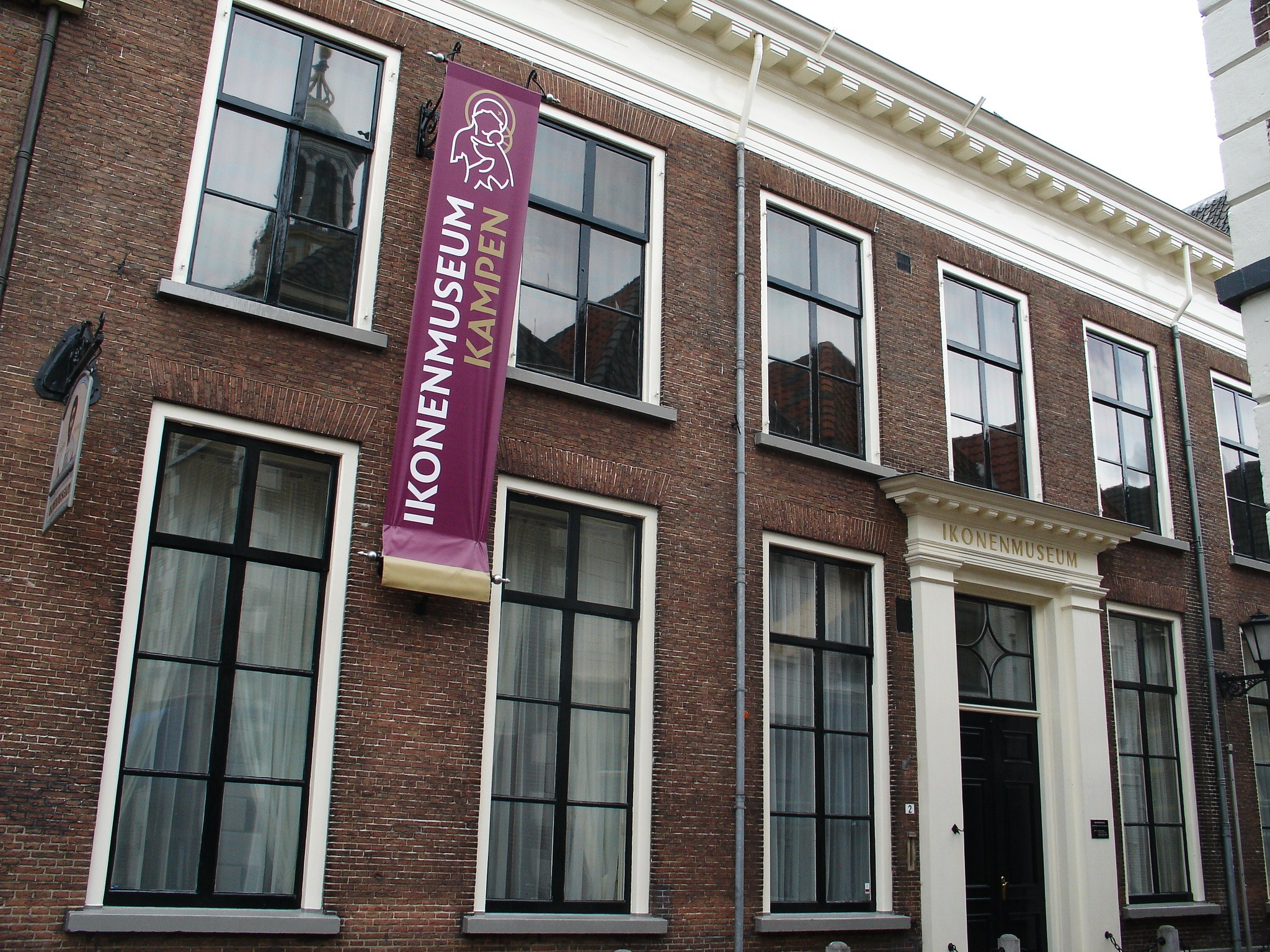
This intimate museum is unique in Western Europe. Housed in a former monastery in the heart of the city, it holds an internationally acclaimed collection of Orthodox icons and fine lacquer boxes from Russia and Eastern Europe.
Visitors praise the serene, quiet atmosphere that pervades the museum — a contrast to the bustle of the quay. The explanations are accessible and informative: you need not be an expert to understand what you are seeing. Every icon has a story, and the guides tell that story with care.
For those who wish to combine culture with contemplation, this museum is a special discovery in the very centre of Kampen.
📍 City centre, Kampen | Check current times via VVV Kampen
Kampen was the tobacco city of the Netherlands for centuries. In the seventeenth and eighteenth centuries, dozens of tobacco factories established themselves along the IJsselkade. Kampen tobacco enjoyed an excellent reputation throughout Europe — and the global brand Agio has its roots in this city.
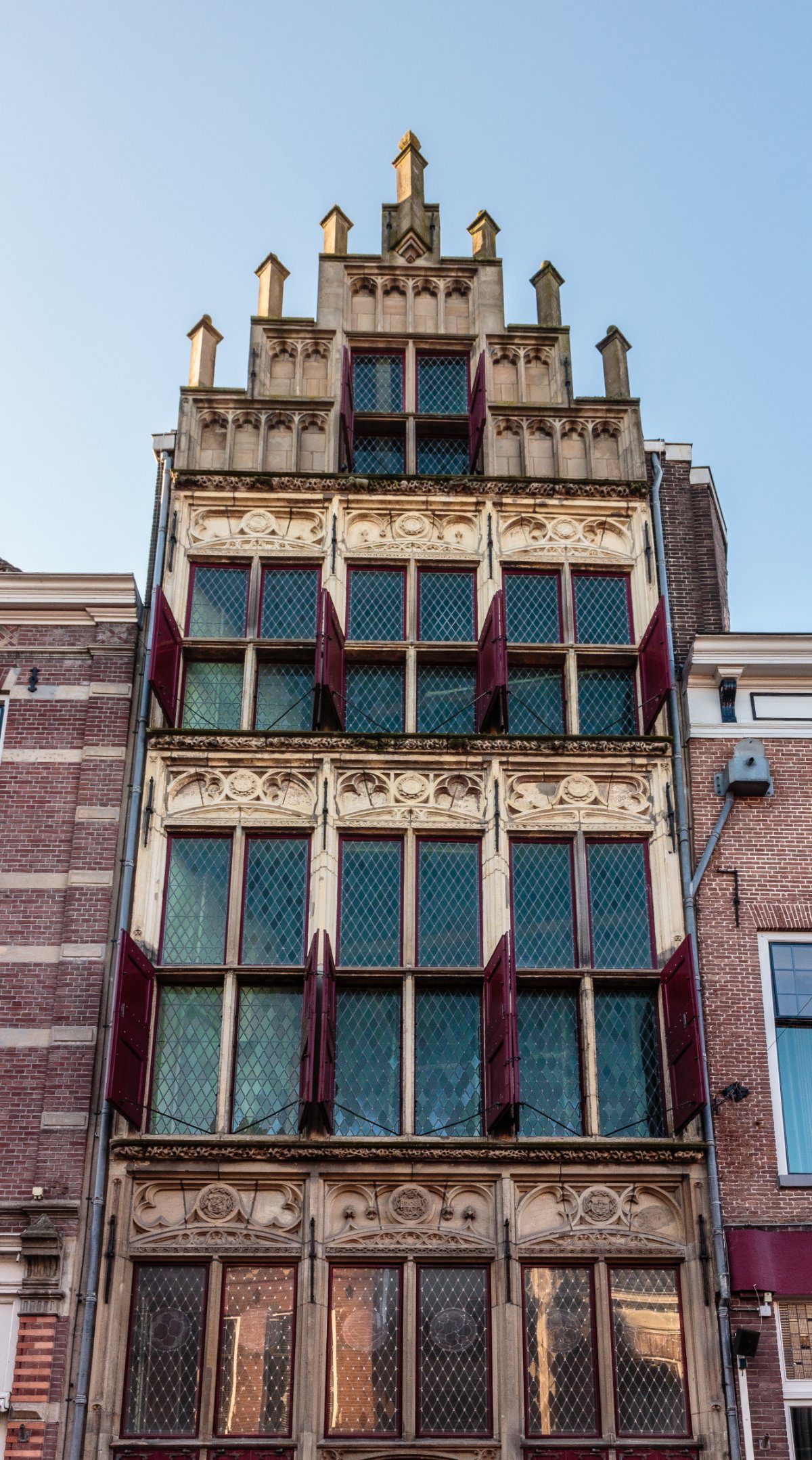
The National Tobacco Museum is housed in the Gotische Gevel (Gothic Façade), the only Gothic merchant's house in Kampen with a completely preserved stone front. The building stands directly on the IJsselkade. The exhibition shows machines for cutting and rolling tobacco, historic packaging and the life stories of Kampen's tobacco workers.
📍 IJsselkade, Kampen | Check current times via VVV Kampen
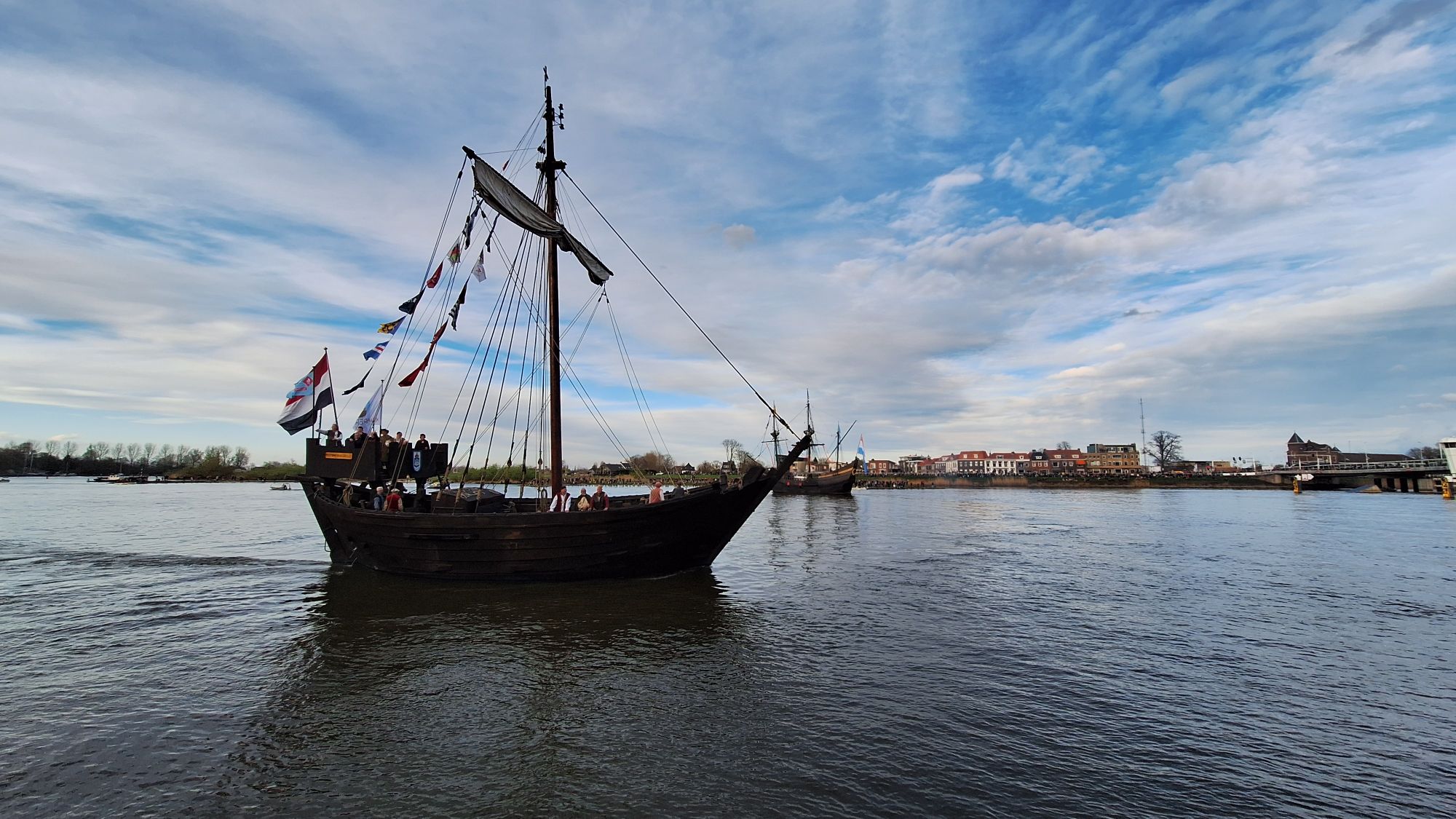
On the bank of the IJssel stands the Koggewerft (cog shipyard): the construction site of a reconstruction of a fourteenth-century Hanseatic ship. The cog was the typical trading vessel of the Hanse — broad, robust and heavily laden. Kampen had its own shipyard, and the Kampen cog was renowned for its quality.
At the yard you can see how such a medieval cog was built: using traditional techniques, based on historical sources and archaeological finds. It is not a museum in the classical sense, but a living craft project that makes Kampen's maritime heritage tangible.
It is no coincidence that our guest room is named Kamper Kogge — the name honours the ship that symbolises the glorious trading history of this city.
📍 IJssel bank, Kampen | Check current visiting possibilities
Smaller museums with a big story
Housed in the oldest stone building in Kampen, this is an idiosyncratic and intimate family museum full of art and local history. After the tour you can enjoy a locally brewed Kampen specialty beer in the adjacent beer museum — a unique combination.
📍 City centre, Kampen | Usually open on Saturdays
On Groenestraat you step inside one of the few surviving urban farms in Kampen. Volunteers take you through the story of how farmers once lived and worked in the middle of the city — together with their livestock. Nostalgic, small-scale and warm.
📍 Groenestraat, Kampen | Usually open on Saturdays
This monumental nineteenth-century barracks building houses Kampen's city archive. On the ground floor, regularly changing historical and cultural exhibitions are organised — free entry and well worth a visit during a walk through the city centre.
📍 City centre, Kampen | Exhibitions vary, free entry
The Bovenkerk — officially the Church of Our Lady — is the great Gothic church that defines the silhouette of Kampen. Built in the fourteenth and fifteenth centuries, it is one of the largest Gothic churches in the Netherlands.
The Hinsz organ of 1741 ranks among the finest historic organs in the country. During the summer months, organ recitals are held on Thursday afternoons.
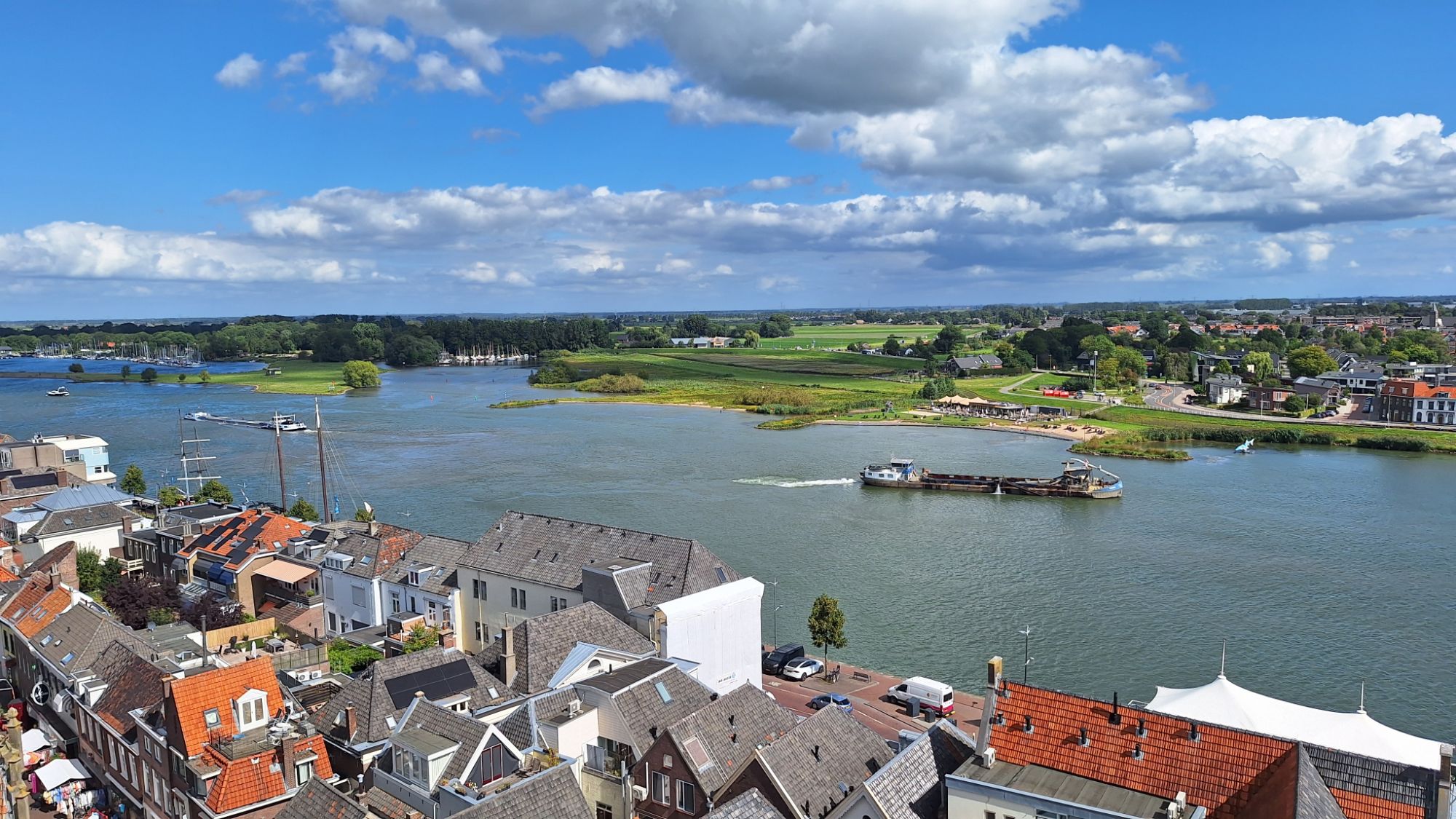
The free-standing Nieuwe Toren (New Tower) can be climbed in summer. From the top you have a view over the rooftops of Kampen, the IJssel, Kampereiland and the polders of Overijssel — a panorama no map can match.
📍 Oudestraat, Kampen | Summer season open daily | Organ recitals: Thursday afternoons
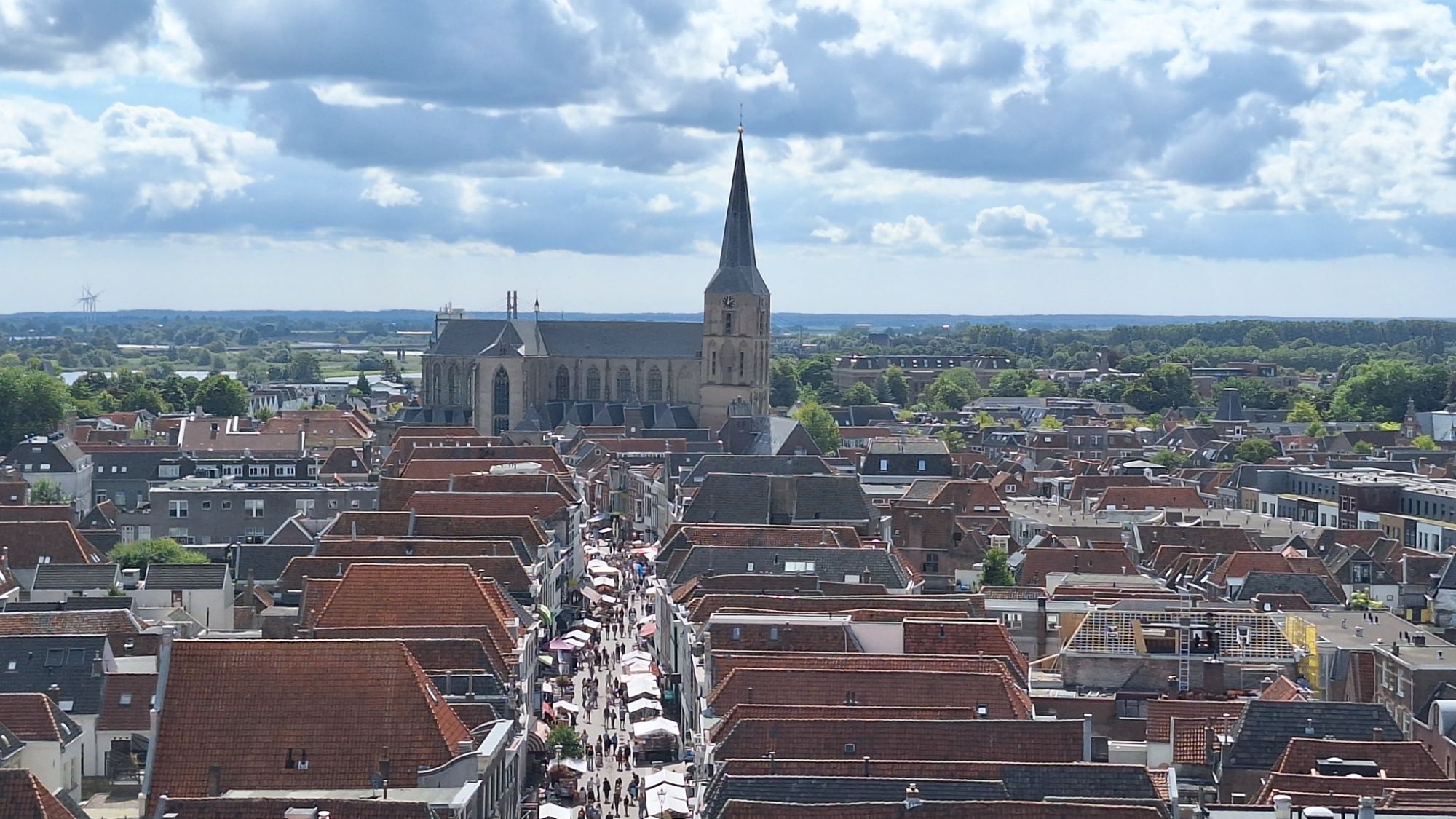
All museums are 5 to 10 minutes on foot from B&B 't Hanzehuys on the IJsselkade.
Book your stay Back to things to do